Hostinger Cloud Hosting at $385 for 4 Years: A Guide for content publishers planning four years ahead
For content publishers, the real question is not just whether hosting is fast today. It is whether your platform can stay stable, affordable, and easy to manage as your archive grows over the next four years. That is why hostinger cloud hosting for content publishers is worth a closer look when you are planning a long runway for editorial growth.
In this guide, we break down the hostinger cloud hosting 4 year plan idea in practical terms, including budgeting, performance considerations, and the tradeoffs that matter when you are building a publication, niche blog, or multi-author content site.
Quick answer
If you want predictable hosting for a content site that may grow steadily, a multi-year cloud plan can reduce renewal surprises and simplify planning. The value comes from balancing cost, support, and room to scale.
- Useful for publishers who want a longer budgeting window
- Helpful when uptime and page speed matter to editorial workflows
- Best when you expect content volume to rise over time
What a 4-year cloud hosting plan really means for publishers
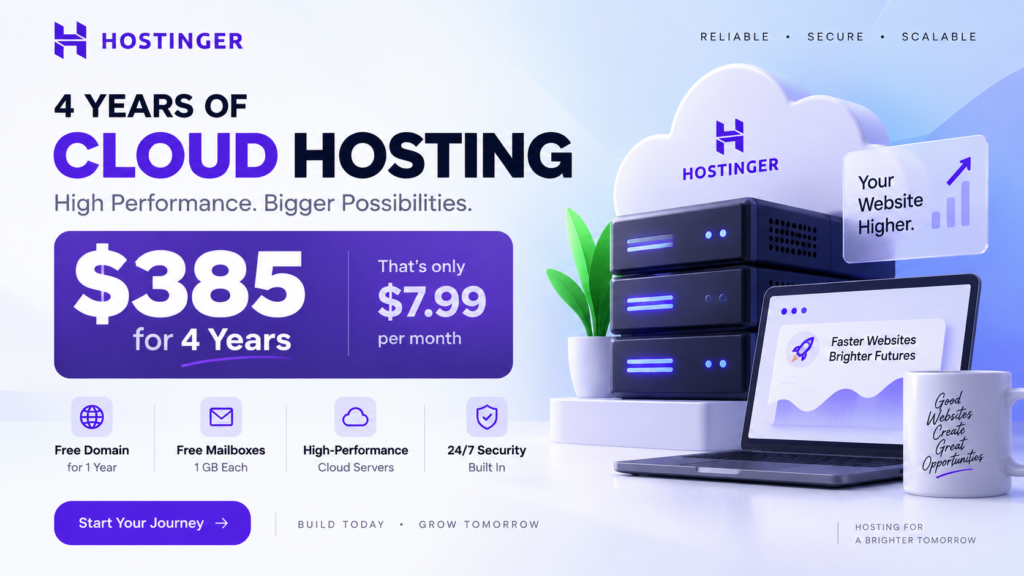
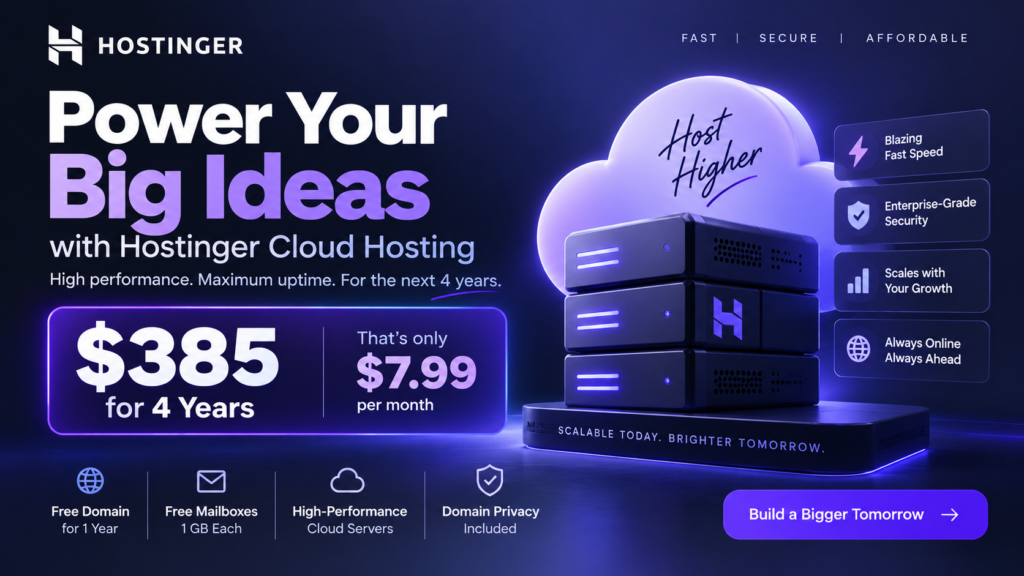
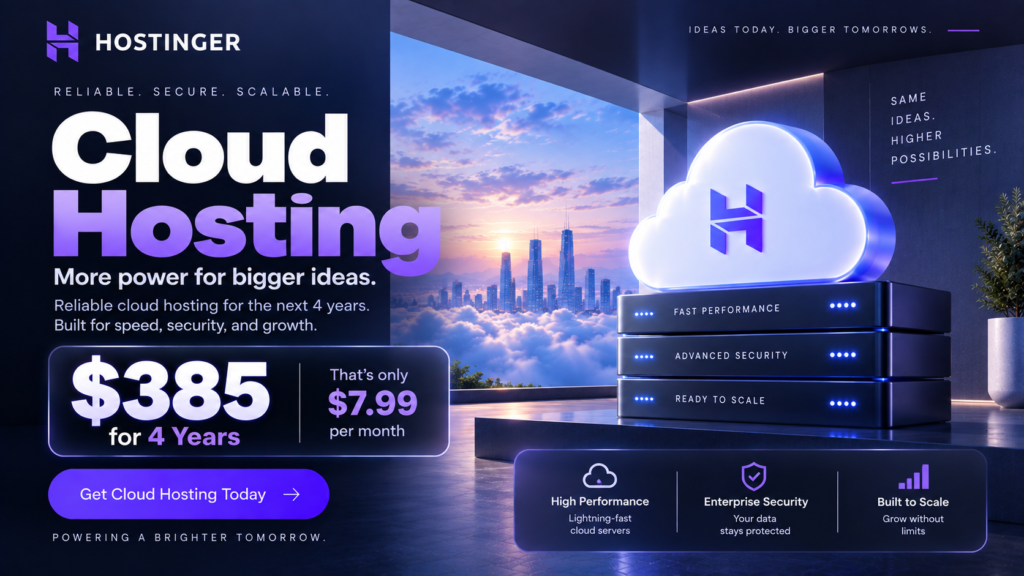
When people search for hostinger cloud hosting $385 or hostinger cloud hosting $7.99 per month, they are usually trying to compare long-term value rather than a single monthly bill. For content publishers, the important part is how the plan supports publishing workflows, traffic spikes, image-heavy pages, and the kind of consistency that editorial teams need.
Why hostinger cloud hosting for content publishers gets attention
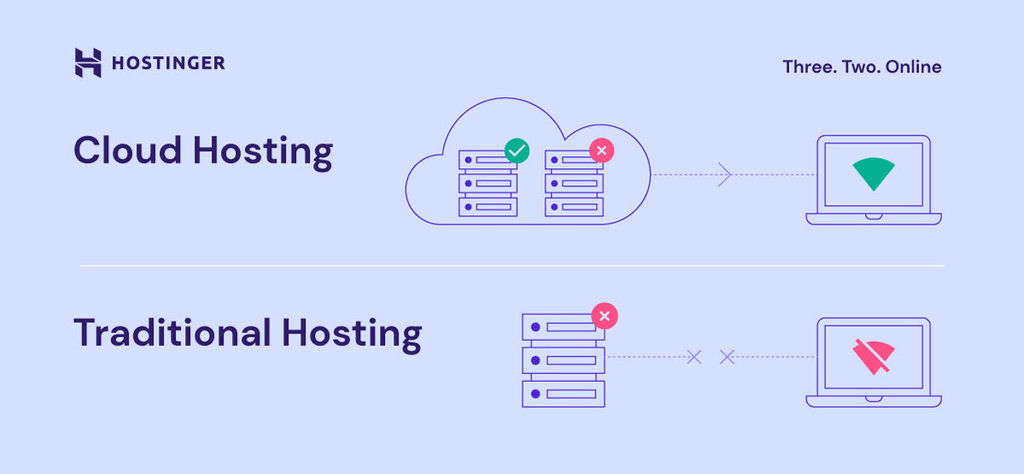
Content publishers often outgrow basic shared hosting because the workload is not just about traffic. It includes database queries, media libraries, scheduled posts, plugin overhead, and the need to keep the site responsive while editors are working in the dashboard. That is where a cloud setup can feel more practical.
A plan positioned as a hostinger cloud startup plan is usually attractive to smaller teams that want more headroom than shared hosting without jumping straight into a more complex infrastructure stack. The appeal is straightforward: managed resources, easier scaling, and a cleaner path for sites that expect gradual growth.
How publishers usually benefit
Editors can work without the site feeling fragile during busy periods.
A longer term can make budgeting and renewal planning easier.
Useful when your image library, plugins, and archives keep expanding.
How to think about the 48-month angle
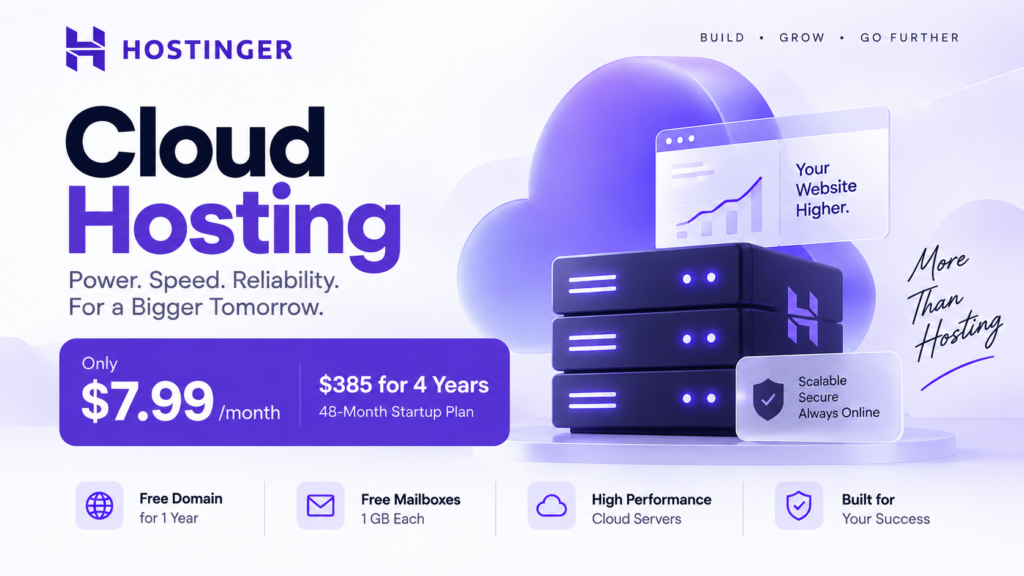
The phrase hostinger 48 month cloud hosting is important because it shifts the conversation from short-term discount hunting to long-range planning. A four-year commitment is not ideal for every site, but it can make sense when you already know your publishing model, content cadence, and expected growth path.
Launch, refine your editorial workflow, and establish core site structure.
Expand topic clusters, improve internal linking, and build a deeper archive.
Review traffic needs, support requirements, and whether an upgrade is justified.
Recommended reading: Can $7.99/Month Work for 4 Years? Hostinger Cloud Hosting for SEO websites targeting long-term organic growth
That is the real value of a hostinger cloud hosting 4 year plan: it can give a content team enough runway to focus on publishing instead of re-evaluating hosting every few months.
What to evaluate before you commit
Before you choose any long-term plan, compare the hosting fit to your actual publishing needs. The question is not only whether the service is affordable now, but whether it matches how your content business will operate later.
Performance and workflow
Look at how quickly your site loads, how the dashboard feels during editing, and whether the plan gives you enough room for images, caching, and plugin usage.
- Fast enough for article pages and media-heavy posts
- Comfortable for a growing WordPress plugin stack
- Practical for teams that publish frequently
Budget and renewal planning
A multi-year plan can help reduce near-term uncertainty, but you should still think about what happens at renewal and whether your traffic growth might require a different tier later.
- Budget predictability over a longer period
- Less frequent hosting decisions
- Clearer planning for content operations
If you want to review current options, you can compare cloud hosting plans and see whether the long-term structure still matches your publishing goals.

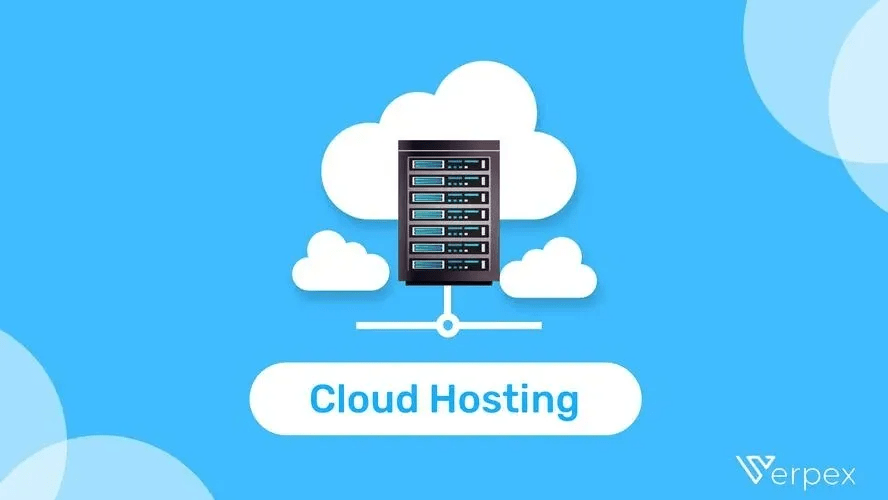
A cloud hosting setup is most useful when it supports the full publishing workflow, from drafting to image delivery and archive browsing.
Who is this plan best for?
This kind of plan is not for every website. It is most useful when you have a realistic publishing roadmap and want hosting that can stay out of the way while your content library grows.
Independent publishers
Good for niche sites, authority blogs, and solo creators who want a simple path to long-term stability.
Small editorial teams
Useful for multi-author sites that need a dependable backend and room for steady traffic growth.
Content-led businesses
Helpful when content is a core acquisition channel and site consistency directly affects revenue or leads.
Pros and cons of a long-term cloud plan
Pros
- Predictable planning for a four-year content roadmap
- Better fit for growing archives and media-rich pages
- Less time spent re-shopping hosting every year
- More suitable than basic shared hosting for editorial workflows
Cons
- A long commitment may feel restrictive if your needs change fast
- Renewal terms matter, so you should read them carefully
- Higher tiers may still be needed if traffic grows sharply
- Not every small site needs cloud hosting from day one
Comparison: which hosting path fits a publisher?
Rather than comparing only on price, compare based on how much operational complexity you are willing to manage over the next few years.
Best for small sites starting out
A lower-cost entry point for simple blogs and early-stage projects.
- Strength: easy to begin
- Tradeoff: less headroom for growth
Best for planned content growth
A balanced option when you want more control, more stability, and a longer budgeting horizon.
Recommended reading: Is $385 for 4 Years Worth It? Hostinger Cloud Hosting for multi-author WordPress websites
- Strength: better fit for scaling content sites
- Tradeoff: requires a more deliberate commitment
Best for heavier workloads
Useful when your site has custom needs, higher traffic, or more technical administration requirements.
- Strength: more flexibility and power
- Tradeoff: more complexity to manage
If you are still deciding, it can help to review the hosting plan in the context of your traffic goals rather than only the headline price.
FAQ: hostinger cloud hosting for content publishers
Is a 4-year plan good for a new content site?
It can be, if you already know the site will be active for the long term and you want to reduce renewal decisions. If the project is still experimental, a shorter commitment may be safer.

Is hostinger cloud hosting for content publishers better than shared hosting?
For growing editorial sites, cloud hosting often offers a better balance of stability and scalability. Shared hosting can still work for very small sites with lighter demands.
Does the $385 figure mean it is always the best deal?
Not automatically. The real value depends on the plan details, renewal terms, and whether the resources match your actual publishing workload.
What should publishers watch for before choosing a long-term plan?
Check support quality, renewal structure, resource limits, and whether the plan can support your content volume, media files, and plugin usage over time.
Is the hostinger cloud startup plan enough for most blogs?
It may be enough for many early-stage blogs, but larger or faster-growing publishers should evaluate whether they need more resources sooner.
When should a publisher move to a more powerful alternative?
If your traffic, database load, or editorial operations begin to exceed what the plan handles comfortably, it is worth considering a higher tier or a more advanced hosting setup.
Final verdict
For publishers who are genuinely planning four years ahead, hostinger cloud hosting for content publishers can be a sensible option when the goal is stability, simpler budgeting, and room to grow. The long-term appeal is strongest for sites that expect consistent publishing, gradual traffic increases, and a need for dependable day-to-day performance.
The main limitation is commitment. If your publishing strategy may change quickly, or if you are still testing the project, a shorter hosting horizon may be more flexible. But if your content business is already established and you want a practical path to stay focused on publishing, a cloud plan can make a lot of sense.
In short: choose the plan if you value predictability and long-range planning; look higher if your site is already moving into heavier technical territory.
Ready to check whether the plan fits your four-year content roadmap?
Review the current cloud hosting options, compare the long-term structure, and decide whether the setup matches the way your publication will grow.
If you want one more look at the current plan structure, you can see current hosting options before you commit.