Can $7.99/Month Work for 4 Years? Hostinger Cloud Hosting for event and conference websites
If you are building a conference, summit, expo, or recurring event site, the real question is not just whether hostinger cloud hosting for event websites is affordable. It is whether a long-term plan can stay practical for registrations, speaker pages, schedules, and seasonal traffic over time.
Quick answer: A long-term cloud plan can make sense for an event site if your traffic is steady, your pages are well optimized, and you want predictable hosting over several years. But the value depends on storage, support, renewal terms, and how much peak traffic your event calendar creates. If you are considering the hostinger cloud startup plan or a hostinger cloud hosting 4 year plan, compare the total cost and the resource headroom before you commit.
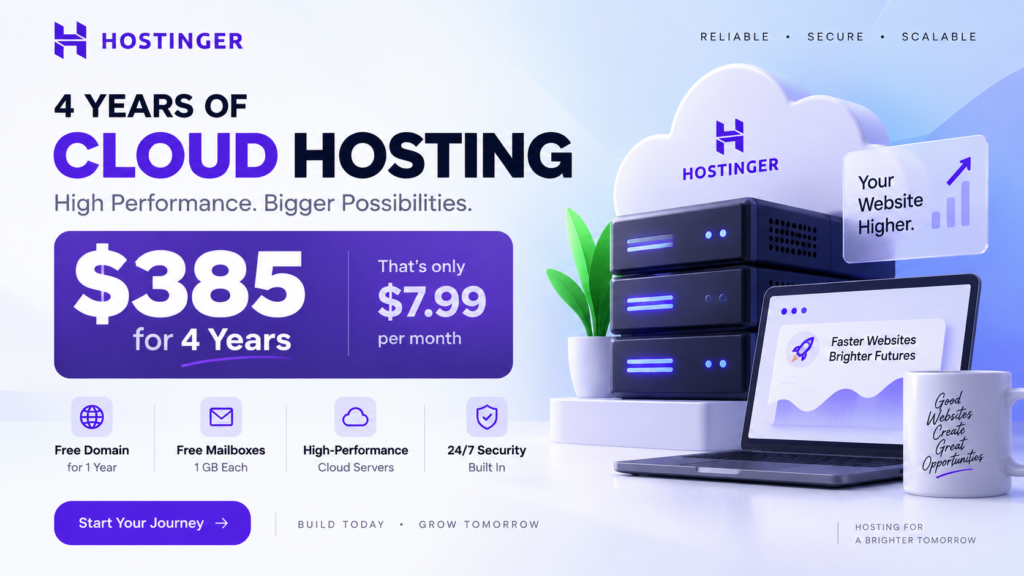
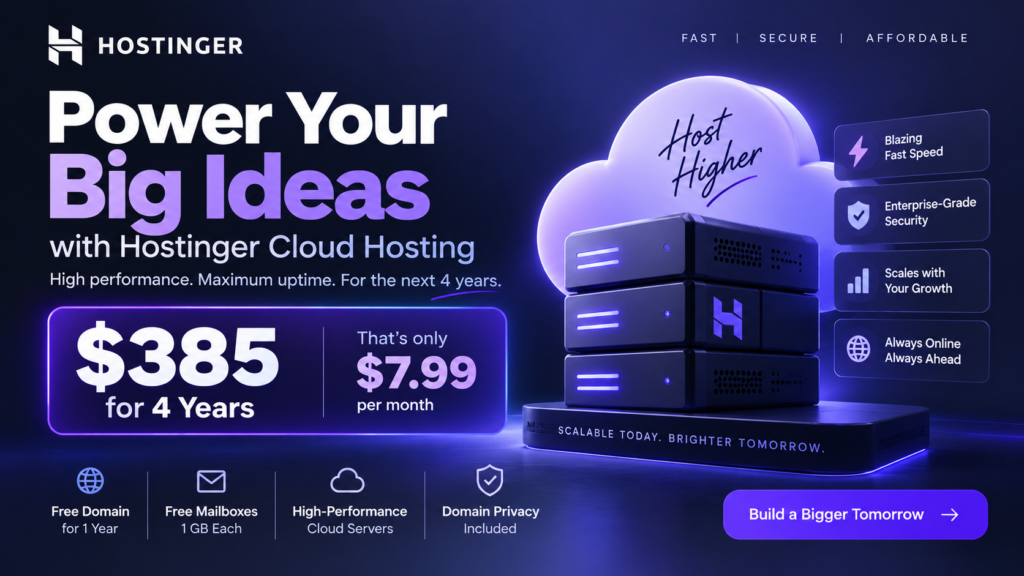
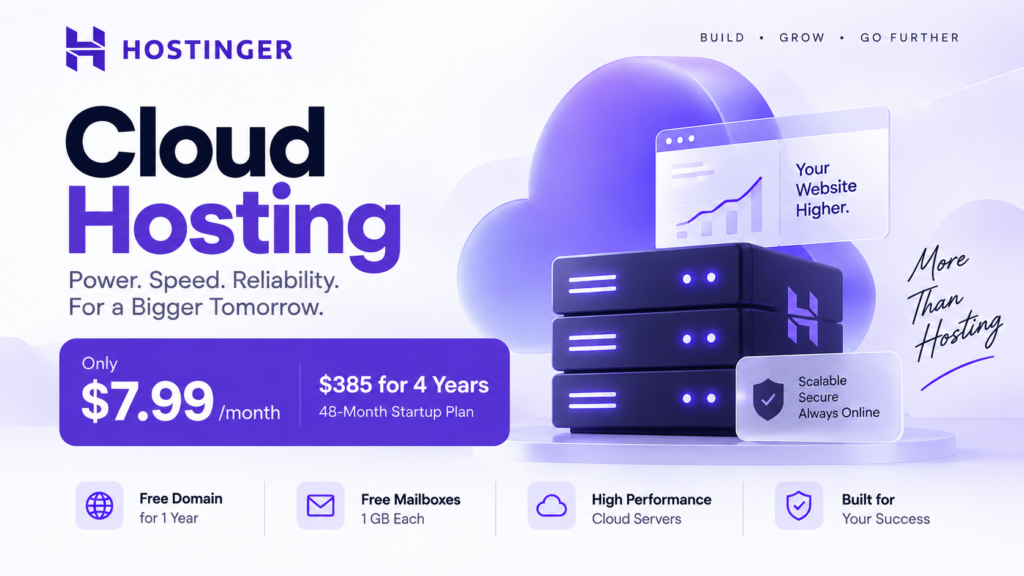
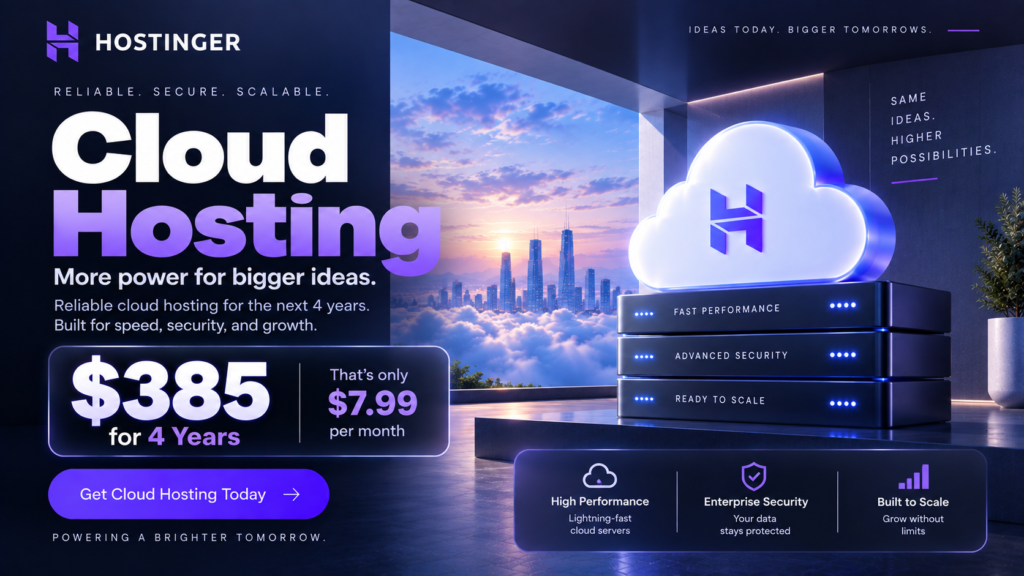
For many event teams, hosting is not about raw power alone. It is about reliability during registration launches, speaker announcements, ticket pushes, and the final rush before the event. That is why a plan marketed around hostinger cloud hosting $7.99 per month can sound appealing, especially when the projected total is framed as a hostinger cloud hosting $385 style commitment over a long term. The important part is whether the plan still fits your site after month 1, month 18, and month 48.
If you are researching hostinger 48 month cloud hosting, think in terms of lifecycle, not just entry price. Event websites often start small, then grow into content hubs with landing pages, sponsor sections, media galleries, and post-event archives. A plan that looks inexpensive up front may still be the right choice if it gives you enough room to scale without rebuilding your site too soon.
What hostinger cloud hosting for event websites should deliver
Event and conference websites have a slightly different hosting profile than a simple brochure site. They need to handle bursts of interest, maintain fast page loads, and stay easy to update as schedules change. The best hosting setup supports both the pre-event marketing phase and the post-event archive phase.
This is why cloud hosting can be a better fit than basic shared hosting for many event projects. It gives you a more controlled environment for performance and growth, even if your traffic pattern is uneven.
Why the 4-year view matters
Short promotional pricing can be useful, but event websites are often built to last across multiple editions. A 4-year horizon helps you judge whether the plan is still sensible after your site expands. You may begin with one annual conference, then add workshops, sponsorship pages, speaker applications, and a blog that supports SEO all year.
Year 1: Launch
Focus on the main event pages, forms, and ticket flow. Speed and simplicity matter most here.
Year 2–3: Expand
Add more content, repeat events, sponsor assets, and SEO pages that attract organic visits.
Year 4: Optimize
Review whether the plan still matches your traffic, media library, and support expectations.
That long view is especially useful if you are comparing a hostinger cloud hosting 4 year plan to shorter billing cycles. A longer commitment may be practical when you already know the site will remain active and you prefer to avoid frequent migrations.
What to check before you choose a plan
Performance and traffic fit
Look at how many pages your event site will serve, how large your images are, and whether you expect registration spikes. A cloud plan should give you enough room to stay responsive when interest rises.
Support and operations
Event sites often change quickly. You may need help with DNS, SSL, staging, backups, or a sudden issue before a launch. Support quality matters more than many buyers expect.
Recommended reading: Can $7.99/Month Work for 4 Years? Hostinger Cloud Hosting for accounting firm websites
Storage and media use
Conference sites can grow fast once galleries, brochures, session recordings, and downloadable assets are added. Make sure the plan can handle media growth without becoming cramped.
Renewal and total cost
Long-term value depends on what happens after the first term. Review the renewal model so the low monthly headline remains useful for your budget over time.

Practical tip: If your event brand expects steady growth, compare the plan against your next two or three site versions, not just the first launch page. That gives you a clearer answer than price alone.
Who it is best for
Small to mid-size conferences
If your site needs a polished public presence, online registration, and a few promotional campaigns each year, this type of hosting can be a practical fit.
Agencies and planners
If you manage multiple event brands, cloud hosting can simplify deployments and make it easier to keep sites organized and consistent.
Recurring annual events
If the site will stay active year-round and serve as an evergreen marketing asset, a long-term plan can be easier to manage than repeated rebuilds.
Pros and cons of the long-term approach
Pros
- Predictable hosting for a multi-year event roadmap
- Better fit than basic shared hosting for traffic bursts
- Useful for sites that keep growing with each event cycle
- Can simplify planning when you want fewer migrations
Cons
- Long commitments reduce flexibility if your needs change
- Renewal pricing may matter more than the headline monthly rate
- Very large events may outgrow entry-level cloud resources
- Media-heavy sites need careful optimization to stay efficient
How it compares with other hosting choices
For an event website, the right hosting tier depends on complexity. Shared hosting may be enough for a simple brochure site. A cloud plan can be a stronger middle ground. Larger conferences with heavy media, live streaming integrations, or high registration volume may eventually need a more advanced setup.
Shared hosting
Best for: very small event pages with light traffic.
Main strength: lowest complexity for simple launches.
Main tradeoff: less headroom during spikes and growth.

Recommended cloud hosting
Best for: growing conference sites that need better performance stability.
Main strength: a balanced mix of speed, flexibility, and long-term usability.
Main tradeoff: you still need to watch resource usage and renewal terms.
Advanced VPS or premium cloud
Best for: large events, complex integrations, or teams with stricter technical needs.
Recommended reading: Can $7.99/Month Work for 4 Years? Hostinger Cloud Hosting for SEO websites targeting long-term organic growth
Main strength: more control and room for demanding workloads.
Main tradeoff: higher cost and more management overhead.
FAQ
Is hostinger cloud hosting for event websites a good fit for ticket sales?
It can be, especially if your site is well built and your traffic is moderate. For larger ticket launches, make sure the plan has enough room for peak demand.
Does a 4-year plan make sense for a conference brand?
Yes, if the site will remain active across multiple events and you want stable hosting without frequent migrations. It is less ideal if your project is temporary.
What should I review before committing to hostinger 48 month cloud hosting?
Check the renewal cost, support quality, storage, and whether the plan can handle your expected media and traffic growth over time.

Is the $7.99/month figure enough to judge value?
No. The monthly headline is only part of the picture. Long-term value depends on resources, support, and what happens when the plan renews.
When should I choose something stronger?
If your event has very high traffic, heavy media, or multiple integrations, a more advanced cloud or VPS option may be a better fit.
Where can I review current hosting options?
You can review the hosting plan and compare the current setup against your event timeline and budget.
Final verdict
For many conference and event projects, hostinger cloud hosting for event websites can be a sensible long-term choice if you want a balance of affordability, flexibility, and stability. The hostinger cloud startup plan and related long-term options may work well for recurring events, especially when your site is expected to grow into a larger marketing asset over time.
The main advantage is planning confidence: a cloud setup can support launches, traffic spikes, and ongoing content growth better than a very basic hosting environment. The main limitation is that a long commitment only makes sense if the plan still matches your future needs. If your event becomes much larger, you may eventually need a stronger hosting tier.
In short, the hostinger cloud hosting $7.99 per month idea can be attractive for long-term event websites, but only when you verify the real fit behind the headline. If the site is built to last, the value may be strong. If your needs are uncertain, keep your options open.
Ready to compare cloud hosting for your event site?
Review the current plan details, check the long-term fit for your conference website, and decide whether the 4-year approach matches your growth strategy.
If you are still comparing options, take one more look at the current pricing and support details before you commit to a long-term plan.