At $385 for 48 Months: Why Hostinger Cloud Hosting Fits digital magazines with growing readership
If you run a digital magazine, your hosting needs usually change faster than your content calendar. Traffic can spike after a breaking story, a newsletter send, or a social post. That is why hostinger cloud hosting for digital magazines is worth a close look: it aims to give publishers more room to grow without forcing them into a complicated infrastructure stack.
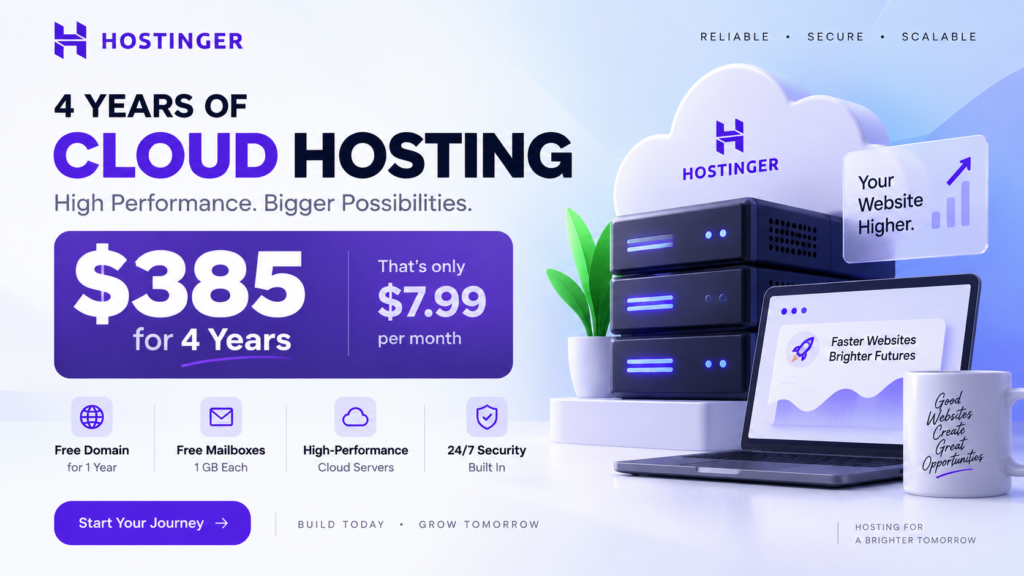
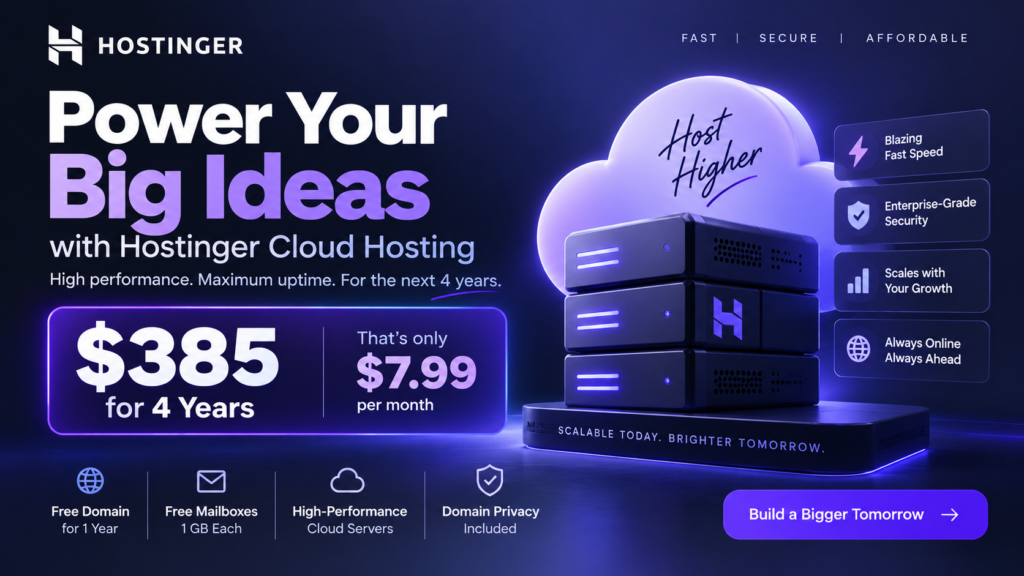
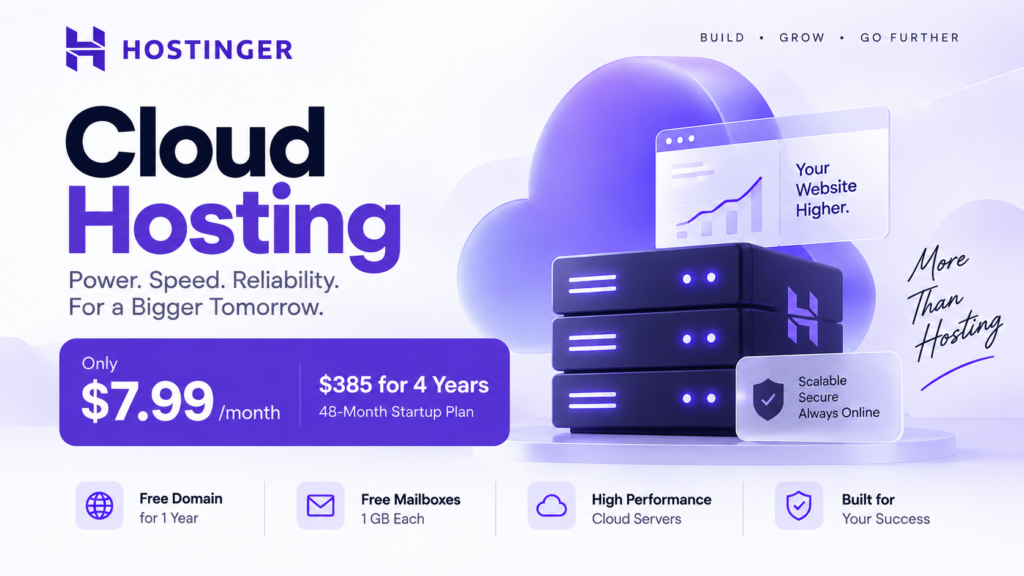
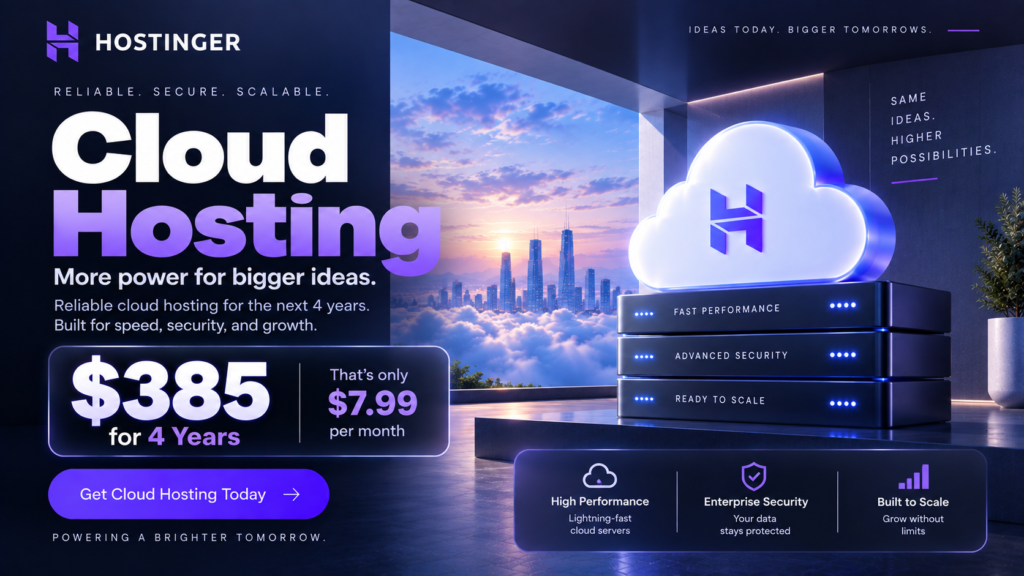
For teams comparing long-term plans, the hostinger cloud hosting 4 year plan is especially interesting because it turns hosting into a predictable operating cost. If the offer lands around hostinger cloud hosting $385 or roughly hostinger cloud hosting $7.99 per month, the appeal is simple: stable planning, room for growth, and a setup that is easier to manage than a traditional server-heavy approach.
Better fit for content growth
Simpler than self-managed servers
Quick answer: what matters most for a digital magazine?
Short version: Hostinger cloud hosting can make sense for digital magazines that need a cleaner upgrade path than shared hosting, but do not want the overhead of managing a full VPS environment. It is most useful when your site has multiple authors, frequent publishing, image-heavy articles, and traffic that grows in waves.
The real value is not just the price point. It is the combination of resource isolation, easier scaling, and a long billing cycle that can help editorial teams plan ahead.
Why Hostinger Cloud Hosting Fits digital magazines with growing readership
Digital magazines have a different hosting profile than a simple brochure site. They publish often, rely on media-rich pages, and need to stay fast when readers arrive all at once. That makes the hosting decision less about raw marketing claims and more about workflow.
For many publishers, the hostinger cloud startup plan is attractive because it sits in a practical middle ground. It is generally more robust than entry-level shared hosting, while remaining easier to operate than a manually tuned server. That balance matters when your editorial team would rather focus on publishing than infrastructure.
That workflow is why long-term cloud plans are often discussed by publishers. A Hostinger plan can be appealing when the goal is to reduce surprises and keep the site stable as readership expands.
What the long-term plan can offer in practice
The phrase hostinger 48 month cloud hosting matters because digital publishers often prefer to budget in annual or multi-year cycles. A longer commitment can reduce pricing churn and make it easier to align hosting with content growth plans, redesigns, and seasonal traffic patterns.
Budget clarity
A long billing cycle can make operating costs easier to forecast for a small editorial business or media startup.
Operational simplicity
One hosting decision can cover a long stretch of publishing without constant plan changes or migrations.
Growth headroom
Cloud-style resources are better suited to content sites that expect more readers, more authors, and more assets over time.
Performance and technical considerations for publishers
For a digital magazine, hosting performance is not just about speed tests. It is also about how the platform behaves under editorial pressure. Image optimization, caching, database efficiency, and uptime consistency all matter when your site has many category pages, authors, and archives.
Recommended reading: For About $385 Over 4 Years: Hostinger Cloud Hosting for affiliate sites scaling organic traffic
What to look for
- Resource isolation: helps prevent noisy neighbors from affecting your site as much as on basic shared hosting.
- Room for media: useful for feature images, galleries, and long-form articles with embedded visuals.
- Easy management: important when your team wants publishing speed, not server administration.
- Scalability path: valuable if your readership grows after SEO gains or recurring newsletter traffic.
What it will not solve by itself
- Poorly optimized themes or oversized images.
- Too many heavy plugins on a content-heavy site.
- Editorial workflows that do not use caching or image compression.
- Major enterprise publishing requirements that need custom architecture.
Who is it best for?
Independent magazines
Good for small teams that want a more serious hosting foundation without moving into complex server management.
Growing niche publications
Useful if your readership is expanding and you need better consistency during traffic spikes.
Content startups
A fit for publishers that value a long runway and want to keep infrastructure predictable while they build audience and revenue.
Pros and cons of choosing this plan
Pros
- Long-term budgeting is easier for media businesses.
- More suitable than basic shared hosting for busy content sites.
- Good fit for readers arriving in waves from search and social.
- Less operational complexity than a self-managed VPS.
Cons
- A long commitment may feel restrictive if your needs change quickly.
- It is not a substitute for proper site optimization.
- High-growth publishers may eventually need a more advanced setup.
- Plan details should be checked carefully before purchase.
How it compares with other hosting paths
When a magazine outgrows shared hosting, the next step is not always a full custom server stack. The right choice depends on how much traffic you expect, how technical your team is, and how much control you want.
Shared hosting
Best for: very small sites or early-stage blogs.
Main strength: low complexity and simple setup.

Main tradeoff: less consistent performance for a growing magazine.
Hostinger cloud hosting
Best for: digital magazines that need growth-friendly hosting without heavy administration.
Main strength: a practical balance of manageability, scalability, and long-term planning.
Main tradeoff: it still requires good WordPress hygiene to perform well.
Advanced VPS or premium cloud
Best for: larger publications or teams with technical support.
Recommended reading: Hostinger Cloud Hosting at $385 for 4 Years: A Guide for content publishers planning four years ahead
Main strength: more control and custom tuning options.
Main tradeoff: more management effort and usually a steeper learning curve.
If you are comparing options, start with the current Hostinger cloud hosting details and check whether the included resources match your publishing workflow.
FAQs about Hostinger cloud hosting for digital magazines
Is Hostinger cloud hosting good for a digital magazine?
Yes, it can be a practical option if your magazine is growing and you want a better balance of performance and simplicity than basic shared hosting.
Why does the 48-month plan get attention?
A long-term plan can make budgeting easier and may be attractive if you already expect your publication to keep growing over time.
Is the cloud startup plan enough for a new publication?
It can be enough for many new publications, especially if the site is optimized and the editorial workload is still manageable.
Will cloud hosting fix a slow WordPress site?
Not by itself. Good hosting helps, but themes, plugins, image sizes, and caching still play a major role in speed.
When should a magazine consider a more advanced alternative?
If your traffic becomes consistently high, or your team needs custom server control, a more advanced VPS or premium cloud setup may be a better fit.
Final verdict
For a growing digital magazine, Hostinger cloud hosting makes sense when you want a hosting plan that is easier to manage than a traditional server setup and more growth-friendly than entry-level shared hosting. The long-term pricing angle, including the idea of hostinger cloud hosting $385 for 48 months, can be especially appealing for publishers that prefer predictable costs.
The main limitation is that hosting alone will not solve content bloat, heavy plugins, or poor optimization. But if your team publishes regularly, expects readership growth, and wants a practical middle ground, this is a credible option to evaluate. In other words, hostinger cloud hosting for digital magazines is best for teams that want stability, planning clarity, and enough headroom to grow.
Ready to review the current cloud hosting offer?
Check the latest plan details, compare the long-term option, and see whether the current setup fits your magazine’s publishing pace and traffic goals.
If you are comparing long-term value, revisit the plan details and confirm current resources, billing terms, and renewal conditions before making a decision.