For About $385 Over 4 Years: Hostinger Cloud Hosting for affiliate sites scaling organic traffic
When an affiliate site starts to rank, the hosting conversation changes fast. You need a setup that can handle more visitors, more pages, and more publishing momentum without forcing a painful migration later. That is why hostinger cloud hosting for growing affiliate sites is worth a close look for publishers planning long-term organic growth.
The appeal is simple: a predictable multi-year commitment, cloud-based resources, and a platform that is easier to manage than a traditional VPS for many site owners. If you are comparing the hostinger cloud startup plan or evaluating the hostinger cloud hosting 4 year plan, this guide explains the tradeoffs in practical terms.
Best fit: affiliate publishers who expect organic traffic growth and want more headroom than shared hosting.
Main value: the long-term cost structure can make the hostinger cloud hosting $385 angle attractive for owners who prefer planning ahead instead of upgrading every few months.
Watch out for: cloud hosting is still not the same as a fully managed enterprise stack, so sites with heavy custom workloads may eventually need a more advanced solution.
hostinger cloud hosting for growing affiliate sites: what changes as traffic climbs
Affiliate sites often begin with a small cluster of articles and a few money pages. Then the content library expands, rankings improve, and traffic becomes less predictable. That is where shared hosting can start to feel tight. Slow admin response times, resource contention, and limited room for spikes can all interfere with publishing and conversion work.
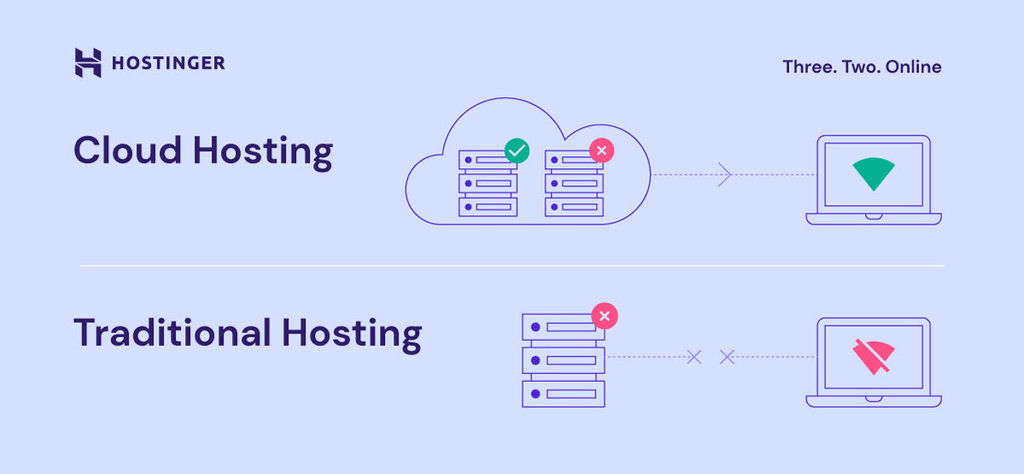
Cloud hosting is attractive because it gives your site a more isolated resource pool and a more stable performance profile. For content-heavy sites, that can mean fewer surprises when search traffic grows or when a new post starts pulling in clicks.
If you are still in the research phase, you can also review the hosting plan alongside your current traffic forecasts.
Launch content
Build topical pages, reviews, and supporting articles.
Organic traffic grows
Search impressions and clicks begin to rise.
Hosting load increases
More requests, more admin activity, more pressure.
Upgrade headroom
Cloud resources help you stay responsive.
Recommended reading: $7.99/Month for 4 Years: Hostinger Cloud Hosting for Divi websites needing more hosting resources
What the 4-year cost is really telling you
The phrase hostinger cloud hosting 48 month plan matters because long billing terms can change the economics of a hosting decision. A lower monthly headline is useful, but the real question is whether the plan gives you enough stability to keep publishing without constant migrations.
For some site owners, the hostinger cloud hosting $7.99 per month framing is helpful as a planning benchmark. For others, the better question is whether the total commitment fits the business model of a site that earns primarily from search traffic, seasonal demand, and content updates.
More room for traffic growth
Affiliate sites can see uneven traffic patterns. Cloud hosting gives you a better buffer than basic shared plans when a page starts to perform.
Easier than managing raw servers
Many publishers want a platform that stays approachable. That is where managed cloud hosting can be more practical than a hands-on VPS.
Built for a content roadmap
If you publish steadily, a longer plan can align hosting costs with your growth schedule instead of forcing short-term decisions.
Why this setup can work well
- Better scalability than shared hosting for sites that expect search traffic to rise.
- Simple management layer for publishers who want to focus on content, not server administration.
- Longer billing horizon can make budgeting easier for established affiliate projects.
- Good fit for content libraries that need consistent performance as they expand.
Where the tradeoffs matter
- Long commitment may not suit brand-new sites still proving their niche.
- Not ideal for every workload if you need advanced server customization.
- Pricing context changes depending on current offers and billing term.
- Still requires good site hygiene such as caching, image optimization, and lean plugins.
How it compares with other hosting paths
The right choice depends on how quickly your affiliate site is growing and how much control you want over the server environment.
Best for early-stage sites
Strength: low complexity and easy entry.
Tradeoff: less breathing room when traffic grows and more chance of resource contention.
Best for growing affiliate sites
Strength: a stronger balance of simplicity, stability, and scale.
Tradeoff: higher commitment than basic hosting, especially over a longer term.
Best for technical operators
Strength: deeper control and more customization options.
Tradeoff: more responsibility and usually a steeper learning curve.
If you want to compare current options directly, compare cloud hosting plans before you commit to a long billing cycle.
Recommended reading: Hostinger Cloud Hosting at $385 for 4 Years: A Guide for website owners focused on Core Web Vitals
Who should consider Hostinger cloud hosting
- Growing affiliate publishers who want a smoother path from low traffic to consistent search growth.
- Content teams that publish often and want hosting that keeps pace with new pages.
- Site owners moving up from shared hosting after seeing page speed or resource issues.
- Budget-conscious operators who value a multi-year plan if the project has staying power.
What to look at before you buy
Before choosing any cloud plan, review the resource allocation, backup options, support expectations, and the practical limits of your stack. A fast host will still struggle if the site uses bloated plugins, oversized images, or too many uncached scripts.
For affiliate sites, the most important technical question is not just raw speed. It is whether the platform can stay consistent when traffic, content volume, and publishing frequency all rise together.
A good workflow is to start your website, monitor performance, and scale only when your traffic trend justifies it.
Frequently asked questions
Is Hostinger cloud hosting good for affiliate sites?
It can be a strong fit for affiliate sites that are moving beyond the earliest stage and need more stable performance as organic traffic grows.
What does the 4-year plan mean for budgeting?
A longer term can make costs easier to plan, but it also means you should be confident in the site’s niche and growth potential before committing.
Is the hostinger cloud startup plan enough for a new site?
For a new project, it may be enough if you expect steady growth. If the site is experimental, a shorter-term option may be safer.
How does cloud hosting help with organic traffic?
It mainly helps by offering more consistent resources, which supports better performance when search traffic rises or content updates trigger bursts of activity.
Is the hostinger 48 month cloud hosting option always the best value?
Not always. It can be attractive if your site is already proving itself, but shorter terms may be better if your strategy is still changing.
When should I consider a more advanced alternative?
If you need deep server control, complex deployments, or heavier workloads, a premium VPS or more advanced cloud environment may be a better fit.
Balanced conclusion for growing affiliate publishers
For affiliate sites that are starting to scale, Hostinger cloud hosting offers a sensible middle ground between basic shared hosting and more technical server setups. The main advantages are better headroom, easier management, and a long-term structure that can suit a content business built around organic search.
The main limitation is commitment. If your niche is unproven or your publishing model is still changing, a long plan may feel premature. But if your site already has traction and you want hosting that can support the next stage of growth, the hostinger cloud hosting for growing affiliate sites angle makes practical sense.
Ready to compare the current cloud hosting deal?
If your affiliate site is entering a stronger growth phase, this is the right time to check whether a longer cloud plan aligns with your content roadmap and traffic expectations.