At $7.99/Month: Does Hostinger Cloud Hosting Make Sense for travel and tourism websites?
If you run a destination guide, tour company, hotel site, travel blog, or vacation rental brand, hostinger cloud hosting for travel websites is worth a serious look. The real question is not just price. It is whether the plan matches the traffic patterns, content load, and booking experience that travel visitors expect.
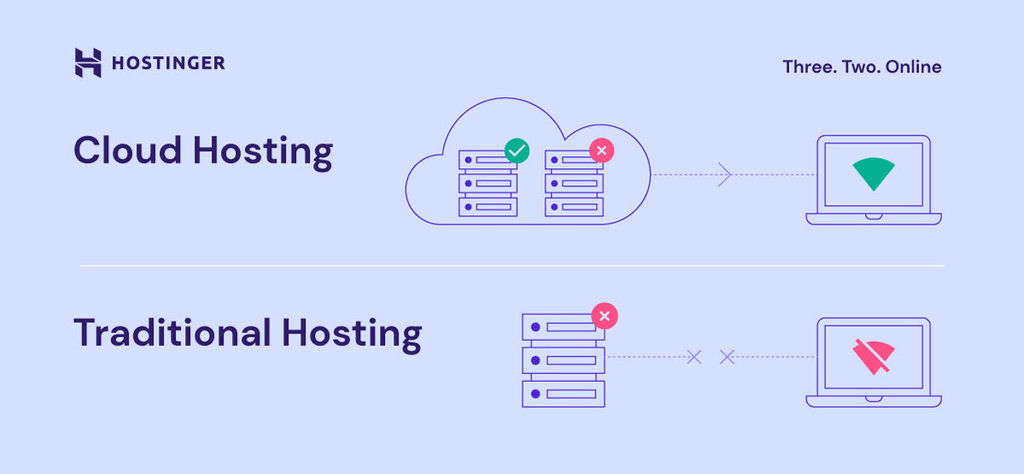
For many small and growing travel businesses, cloud hosting can be a practical middle ground between basic shared hosting and a more complex VPS setup. It can offer more room to scale, better resource isolation, and a cleaner path for seasonal traffic spikes.
Quick takeaway on Hostinger Cloud Hosting for travel websites
Yes, it can make sense if your travel site needs faster performance, better uptime resilience, and more flexibility than entry-level shared hosting. It is especially appealing for businesses that publish rich destination content, photo-heavy pages, or booking funnels that need consistent responsiveness.
It is less compelling if your site is very small, mostly static, or has limited traffic. In that case, a simpler hosting plan may be more cost-effective until growth justifies an upgrade.
Why travel and tourism sites often outgrow shared hosting
Travel websites tend to be content-heavy. They often combine large images, maps, itinerary pages, seasonal promotions, booking widgets, and location-based landing pages. That mix can create more demand on server resources than a simple brochure site.
That is where cloud hosting becomes interesting. Instead of relying on the narrow resource limits of basic shared hosting, a cloud setup usually gives you a more stable environment for handling concurrent visitors, search traffic surges, and campaign-driven spikes.
Visitors land on destination guides, tour pages, or hotel offers from search and social channels.
They browse galleries, compare packages, and check dates or availability.
A booking form, inquiry form, or checkout step needs to stay responsive.
Seasonal promotions and new content create more traffic over time.
For that workflow, a plan such as the Hostinger cloud startup plan may be a sensible starting point if you want stronger fundamentals without jumping straight into a more technical environment.
What matters most for travel and tourism performance
Speed for image-rich pages
Travel pages often depend on large visuals. Cloud hosting can help keep page delivery more consistent when your homepage, destination pages, and blog posts all compete for attention.
Stability during seasonal demand
Travel traffic is rarely flat. Holiday periods, campaign launches, and peak booking windows can create bursts that are easier to manage on a more isolated hosting environment.
Room for WordPress plugins
Booking forms, multilingual tools, SEO plugins, review widgets, and gallery plugins all add load. A better-resourced plan can reduce the chance that those tools slow the site down.
Cleaner upgrade path
If your site grows from a single-region brochure site into a multi-destination brand, cloud hosting gives you a more natural path to scale.
How the pricing angle should be interpreted
The headline hostinger cloud hosting $7.99 per month is attractive, but travel site owners should read any promotional price carefully. Cloud plans are often shown with introductory terms, contract length assumptions, or bundled billing periods that affect the effective monthly cost.
Recommended reading: $7.99/Month for 4 Years: Does Hostinger Cloud Hosting Make Sense for podcast websites?
That is why you may also see references such as hostinger cloud hosting 4 year plan, hostinger 48 month cloud hosting, or even a total figure like hostinger cloud hosting $385. Those phrases usually point to the billing structure rather than a simple month-to-month checkout price.
If you are comparing options, focus on the practical question: does the plan give your travel business enough performance headroom for the content and traffic you expect over the next 12 to 24 months? If you want to review the current offer in context, you can compare cloud hosting plans before committing.
Who is it best for?
Tour operators and agencies
Good for teams that need reliable landing pages, inquiry forms, and seasonal campaign pages that can handle bursts of attention.
Destination publishers and blogs
Useful for content sites that publish many articles, galleries, and guides while aiming for smoother performance than entry-level hosting.
Very small brochure sites
If your site is a simple five-page presence with light traffic, cloud hosting may be more than you need right now.
Pros and cons of Hostinger Cloud Hosting for travel websites
Pros
- Better fit for content-heavy travel pages than basic shared hosting
- More comfortable path for growth and seasonal traffic swings
- Helpful for WordPress sites with bookings, forms, and plugins
- Easy to frame as a step up without moving to a complex server setup
Cons
- May be unnecessary for very small or low-traffic websites
- Promotional pricing can depend on billing term and commitment length
- Not a substitute for good image optimization and caching practices
- Advanced teams may eventually want more control than a managed plan offers
Comparison: shared hosting vs cloud hosting vs more advanced setups
Instead of thinking only about price, compare the hosting model to the kind of travel site you are building.
Best for simple starter sites
Main strength: Lowest barrier to entry for a small brochure site or a new travel brand.
Main tradeoff: Less headroom when traffic, images, or plugins begin to add load.
Best for growing travel businesses
Main strength: A balanced option for performance, scalability, and easier management.
Main tradeoff: Usually costs more than entry-level hosting and should be justified by growth needs.
Best for technical teams
Main strength: Greater control and flexibility for demanding workloads or custom stacks.
Recommended reading: $385 for 4 Years: Does Hostinger Cloud Hosting Make Sense for creator and influencer websites?

Main tradeoff: More complexity and a steeper management burden for smaller teams.
For many travel and tourism businesses, the middle option is the most practical. If you are not ready for a more technical setup, it may be worth reviewing the hosting plan that fits your current stage rather than overbuying resources.
FAQs about Hostinger Cloud Hosting for travel websites
Is Hostinger cloud hosting good for a travel blog?
Yes, especially if your blog uses many images, location guides, and SEO plugins. It can be a stronger fit than basic shared hosting for growth-focused publishing.
Can a tourism booking site use cloud hosting?
Yes. Booking forms and inquiry flows often benefit from a more stable hosting environment, particularly when traffic increases during campaigns.
Is the $7.99/month price always the final cost?
Not necessarily. Promotional pricing can depend on billing length and offer terms, so always check the checkout details before deciding.
What if my travel site is still small?
If traffic is light and the site is simple, shared hosting may be enough for now. Cloud hosting becomes more attractive when performance and growth matter more.
Does cloud hosting replace SEO and optimization work?
No. Good hosting helps, but image compression, caching, clean theme choices, and fast page design still matter a great deal.
Should I compare it with other cloud plans?
Yes. A quick side-by-side review can help you decide whether the offer is right for your traffic profile and budget.
Final verdict: does it make sense for travel and tourism websites?
For a travel or tourism brand that expects steady content growth, seasonal demand, and the need for reliable booking pages, hostinger cloud hosting for travel websites can be a sensible choice. The value is strongest when you want a managed setup that feels easier than VPS hosting but more capable than a basic shared plan.
The main limitation is that the pricing only makes sense if you will actually use the extra headroom. A tiny site with minimal traffic may not need it yet. But for destination guides, tour operators, hospitality brands, and travel publishers planning to grow, the balance of performance and simplicity is compelling.
If you are ready to evaluate the offer in more detail, the next step is to see current hosting options and compare them against your site’s traffic and content needs.
Ready to choose hosting for your travel site?
Use the current offer as a starting point if you want a more scalable path for destination pages, booking funnels, and image-rich content. The right plan should support your next stage of growth, not just your current traffic.