Hostinger Cloud Hosting at $385 for 4 Years: A Guide for portfolio sites for developers
If you are building a polished developer portfolio, the hosting choice matters almost as much as the design itself. hostinger cloud hosting for developer portfolios is often considered because it aims to balance speed, managed convenience, and long-term value for a site that needs to look professional and load quickly.
This guide explains how the hostinger cloud hosting 4 year plan fits portfolio sites, what to think about before committing, and when a lighter or more powerful option may be a better match.
Quick context
- Best for a personal site, resume-style portfolio, or small developer brand.
- Useful when you want managed hosting without a complex server setup.
- Longer billing cycles can improve budget predictability.
- Always compare the plan against your traffic, stack, and growth goals.
Quick answer: is Hostinger Cloud Hosting worth it for a portfolio site?
Usually yes, if your portfolio needs a clean managed setup and you want to avoid server maintenance. A cloud plan can make sense for developers who want a fast, reliable home for projects, case studies, blog posts, and contact pages. The value improves when you expect the site to stay online for years and prefer one predictable bill over frequent migrations.
The key is to judge the plan by fit, not just by the headline price. A hostinger cloud hosting $385 style long-term commitment may be reasonable for some users, but only if the included resources and support match your real needs.
Why developer portfolios benefit from cloud hosting
A portfolio site is usually small in content volume, but it has a high professional impact. Visitors may be recruiters, clients, hiring managers, or collaborators. That means uptime, speed, and presentation matter. Cloud hosting can help because it typically offers more isolated resources and a more managed experience than basic shared hosting.
What matters most on a portfolio site
- Fast first load: your homepage and project pages should feel responsive.
- Stable uptime: your contact form and project links should stay available.
- Simple management: you should spend time shipping work, not babysitting servers.
- Room to grow: blog posts, images, and demos should not force a sudden migration.
Where cloud hosting helps
- More flexible than low-end shared hosting for a polished personal brand.
- Better fit when you host multiple project pages or a small content hub.
- Useful if you want a smoother path from portfolio to a larger personal site.
- Can reduce the technical overhead compared with unmanaged VPS setups.

How the long-term plan changes the value equation
Searches for hostinger cloud hosting 4 year plan, hostinger 48 month cloud hosting, and hostinger cloud hosting $7.99 per month usually point to the same idea: long billing terms can make a plan look more affordable month by month. That can be appealing if you know you will keep the portfolio live for a long time.
That said, the monthly-equivalent framing should not hide the real decision: you are paying upfront for time and convenience. If you are still experimenting with your portfolio direction, a shorter commitment may offer more flexibility.
For the latest plan presentation, you can review the hosting plan and compare it against your project roadmap.
What to evaluate before you buy
Speed and responsiveness
For a portfolio, the most important test is how quickly pages feel when someone lands on your site. Image-heavy case studies and animations can affect this more than the host itself.
Ease of management
If you prefer a simple dashboard and fewer server tasks, managed cloud hosting is attractive. If you enjoy tuning infrastructure, a VPS may offer more control.
Recommended reading: Can $7.99/Month Work for 4 Years? Hostinger Cloud Hosting for event and conference websites
Commitment length
A hostinger cloud startup plan or any similar entry-level cloud package can be appealing, but only if you are comfortable with the length of the billing period and the renewal path.
Who is this kind of plan best for?
Good fit
- Developers building a personal portfolio with a few project pages.
- Freelancers who want a professional site without server admin work.
- Job seekers who need reliability for recruiters and application links.
- Creators who plan to keep one main site for several years.
Less ideal fit
- Users who only need a temporary landing page for a short campaign.
- Advanced developers who want full root access and deep stack control.
- Sites with heavy custom workloads that may outgrow starter cloud resources quickly.
- People who are unsure whether they will keep the site long term.
For a closer look at the current offer, you can compare cloud hosting plans and see whether the configuration aligns with your portfolio goals.

Pros and cons
Why it can work well
- Managed setup reduces technical friction.
- Good match for a polished personal brand site.
- Long billing terms can simplify budgeting.
- Cloud positioning may offer a stronger fit than entry-level shared hosting.
What to watch carefully
- Upfront commitment can be a drawback if your needs change.
- Not every portfolio needs cloud-level resources.
- Renewal pricing and plan details deserve a close read.
- Advanced users may prefer more control than a managed plan provides.
Comparison: shared hosting, cloud hosting, and premium alternatives
Shared hosting
Best for: simple personal sites and very small portfolios.
Main strength: usually the lowest entry cost.
Main tradeoff: fewer resources and less isolation when traffic or content grows.
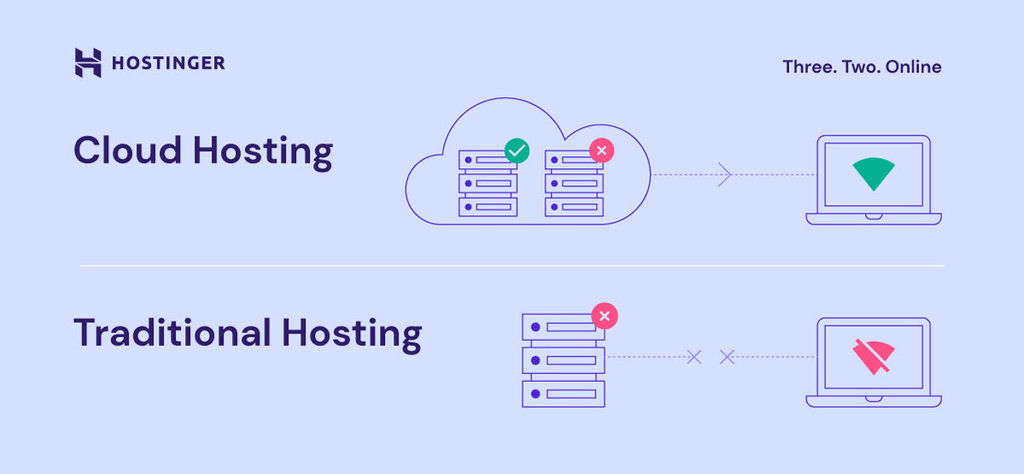
Cloud hosting
Best for: developer portfolios that need a professional, managed home.
Main strength: a better balance of convenience, performance, and scalability.
Main tradeoff: longer commitments can reduce flexibility.
VPS or higher-tier cloud
Best for: custom stacks, heavier apps, and users who want deeper control.
Main strength: more configuration freedom and room for advanced workloads.
Main tradeoff: more responsibility and often more setup time.
Recommended reading: Can $7.99/Month Work for 4 Years? Hostinger Cloud Hosting for accounting firm websites
If you want a simpler buying path, you can explore cloud hosting options and compare the current package details against your project requirements.
FAQs
Is Hostinger Cloud Hosting a good choice for a developer portfolio?
Yes, if you want a managed environment for a professional portfolio and you value convenience, stability, and a cleaner upgrade path than basic shared hosting.
What does the 4-year plan mean for a portfolio site?
It means you are committing to a longer billing cycle. That can help if you know the site will stay live for years, but it is less flexible than a short-term plan.
Is the $385 figure the right way to judge value?
Use it as a budgeting reference, not the only decision factor. The better question is whether the plan’s resources, support, and renewal terms fit your portfolio strategy.

Should I choose cloud hosting or shared hosting for a small portfolio?
If the site is very small and temporary, shared hosting may be enough. If you want a more polished, long-term setup, cloud hosting is often the more balanced option.
When should I consider something more powerful than this plan?
If your portfolio evolves into a larger app, a high-traffic content hub, or a custom environment with advanced server needs, a VPS or higher-tier cloud option may be more suitable.
Final verdict
Hostinger Cloud Hosting for developer portfolios makes sense when you want a professional, managed platform for a site that represents your work, your skills, and your personal brand. It is especially appealing if you expect the portfolio to stay online long term and you prefer a simpler hosting experience.
The main limitation is flexibility: a long commitment can be less attractive if you are still testing your website direction or expect your stack to change. For developers who want full control, a VPS may be a better fit. For most portfolio sites, though, cloud hosting can offer a strong balance of convenience and presentation.
If you are ready to compare current options, check today’s hosting deal and review whether the plan matches your long-term portfolio goals.
Ready to launch a cleaner, faster developer portfolio?
Review the current plan details, compare the long-term value, and decide whether the cloud setup fits your site today and your growth plans tomorrow.